
chipprbots.com/blog
Research
Protocol notes, design decisions and the reasoning we would otherwise only write in a pull request.
- Accounts & Keys
- Activitypub
- BizTechTrends
- ChipprAGI
- Custody & Multisig
- Custody & Settlement
- Dust&Hash
- Earning & Yield
- Fairwins
- Finance Professional Series
- fukuii
- Gasless Rails
- Identity & Access
- Knowledge Base
- Metaverse
- Money, Yield & Markets
- Payments & Markets
- Research
- SpaceTech
- Wallet & Keys
- Zero Knowledge
-
Passkey Smart Accounts: A Wallet You Open With Your Fingerprint
How FairWins turned Face ID into a real, self-custodial crypto account — no seed phrase, no browser extension, nothing to write down
· 6 min read -

There’s no official ETC client
Disclosure: I maintain chippr-robotics/fukuii, a Scala 3 execution client that continues IOHK’s Mantis. The developer behind White B0x contributed to it until July 2026, then started fukuii-project, a separate, ground-up…
· 5 min read -
Trustless Escrow and the End of “Will They Pay?”
Almost the entire apparatus of clearing, escrow, and margin exists to answer one question: will your counterparty actually perform? Traditionally we don’t eliminate that risk — we relocate it onto…
· 7 min read -
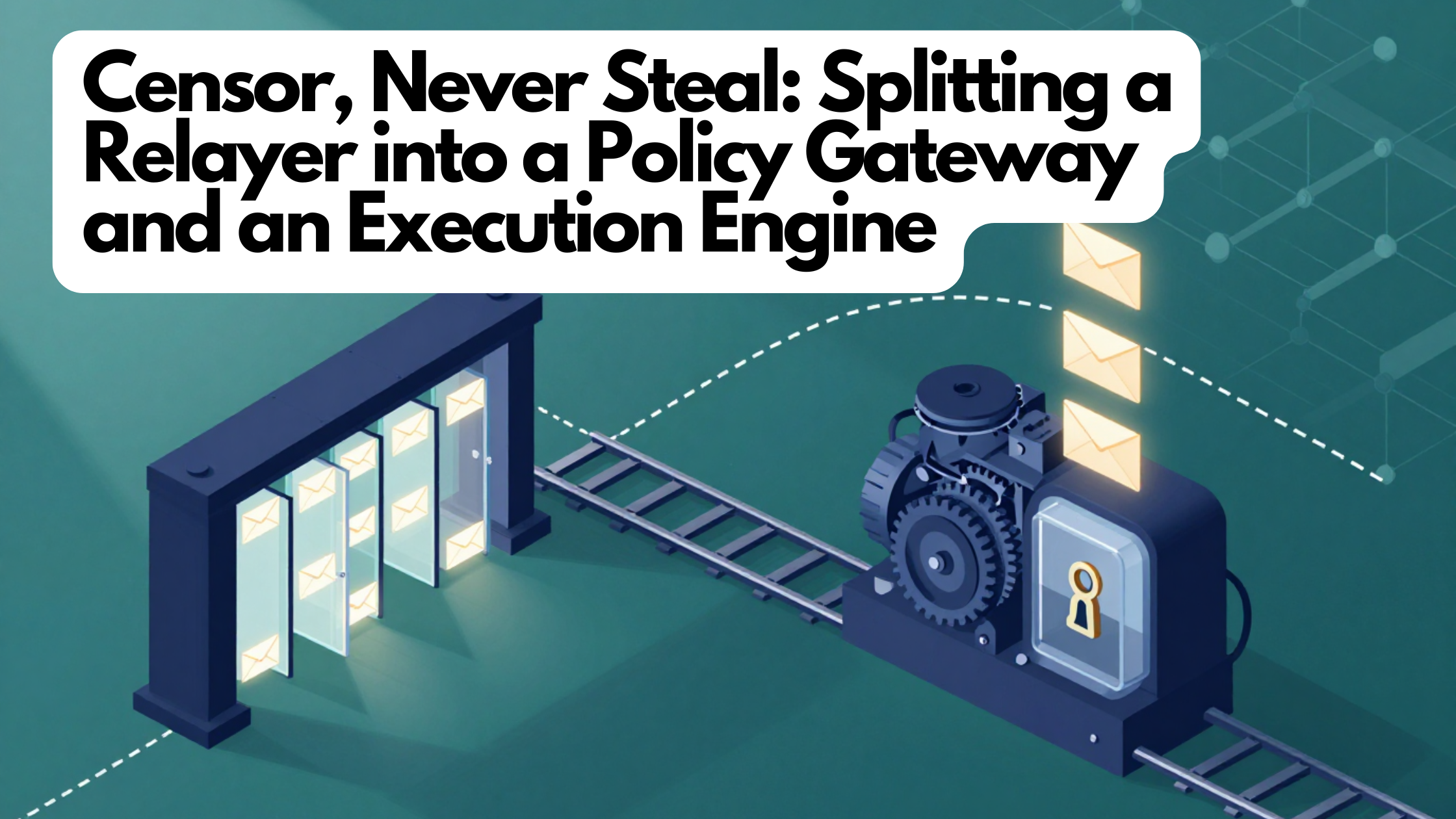
Censor, Never Steal: Why the Service That Decides Is Never the Service That Signs
How FairWins runs a funded gas wallet on the open internet by splitting one server into two — a bouncer that decides, and an engine that pays The button that…
· 7 min read -
Compliance as Code: On-Chain Screening, KYC/AML Programs, and the Travel Rule
Sanctions screening is one pillar of a BSA/AML program — not the whole house. On a public blockchain, that distinction gets sharp fast: if your screening check lives only in…
· 7 min read -
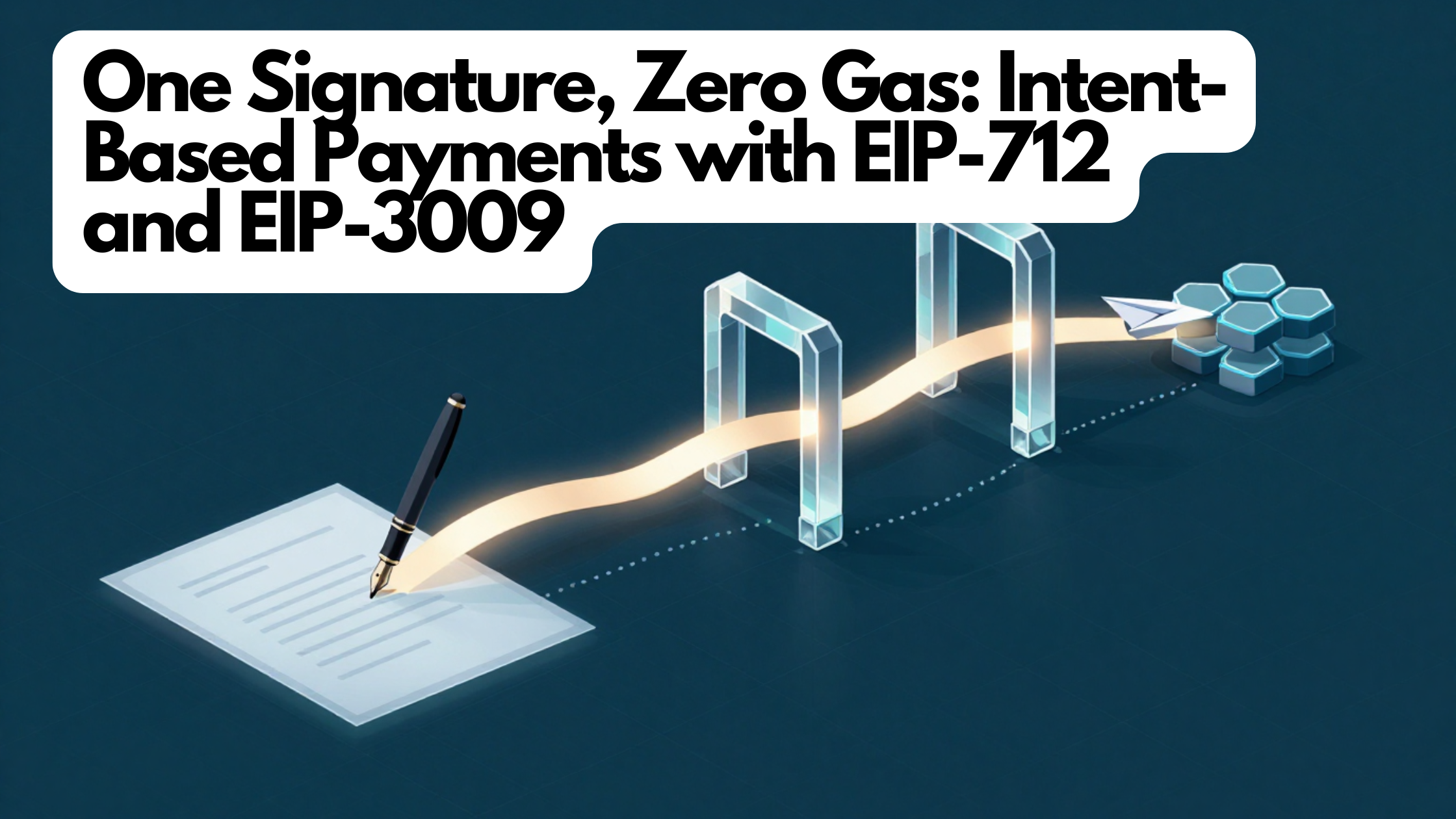
One Signature, Zero Gas: How Gasless Payments Actually Work
How FairWins turned every action into a signed “intent” — you sign what you want, and someone else pays the fee to submit it The Stranded User A user wins…
· 7 min read -
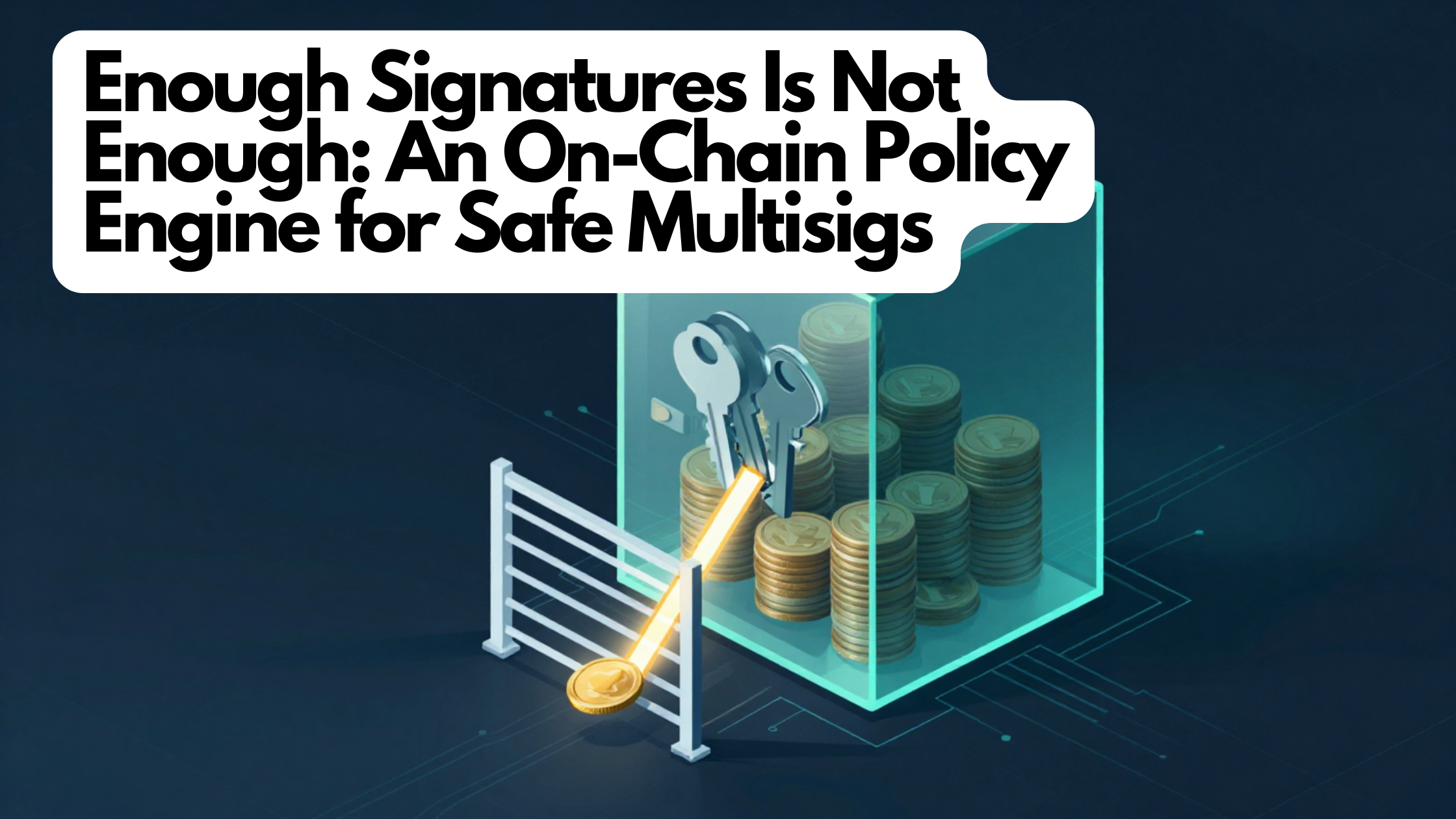
Enough Signatures Is Not Enough: Adding Real Rules to a Shared Vault
How a small guard contract turns “enough people approved” into “enough people approved, and it obeys the rules” — with no admin key and no way to lock a vault…
· 7 min read -
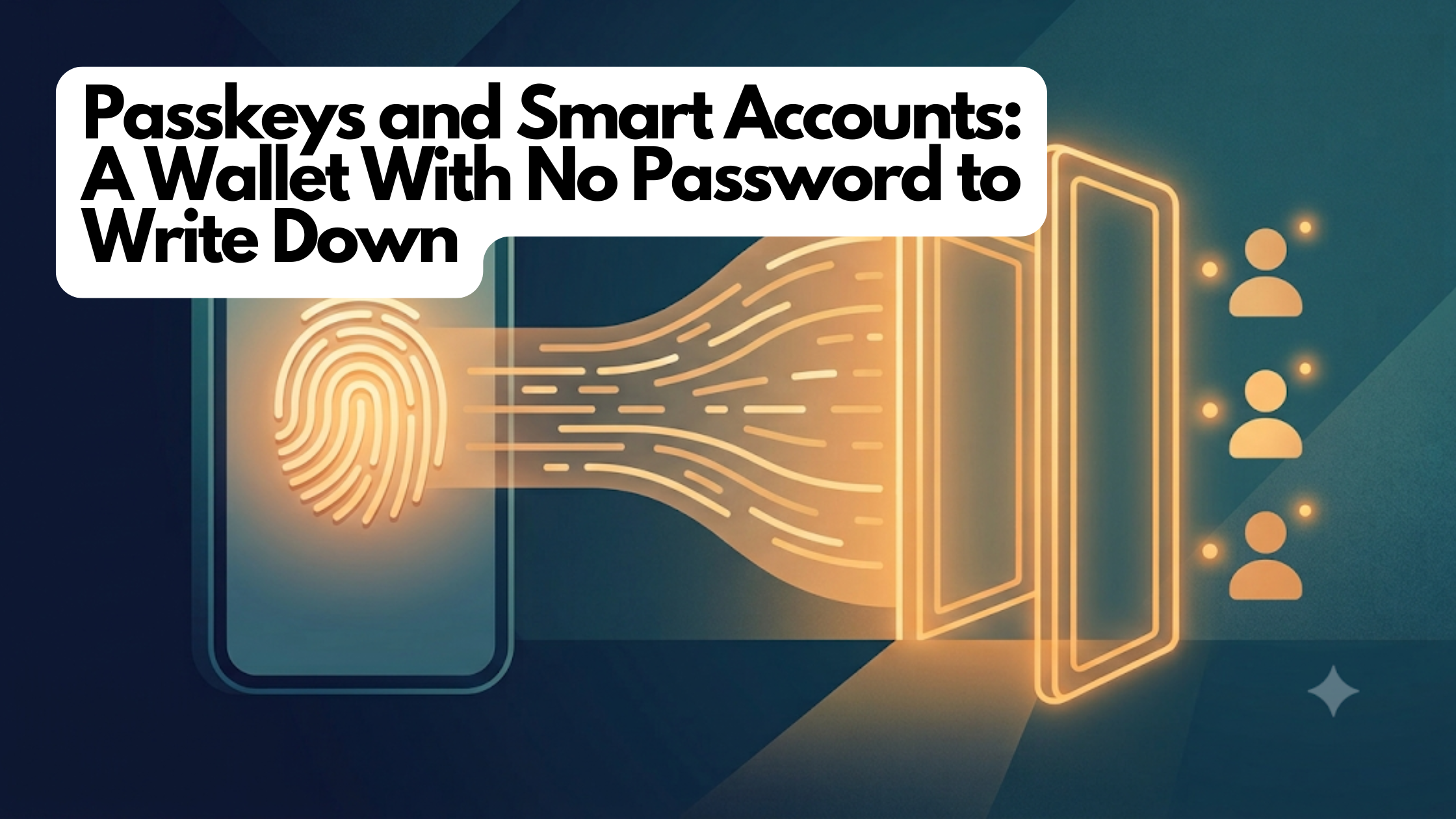
Passkeys and Smart Accounts: A Wallet With No Password to Write Down
Remember the crypto wallet that handed you twelve random words and told you to guard them with your life? That is where most normal people quit. There is a better…
· 5 min read -
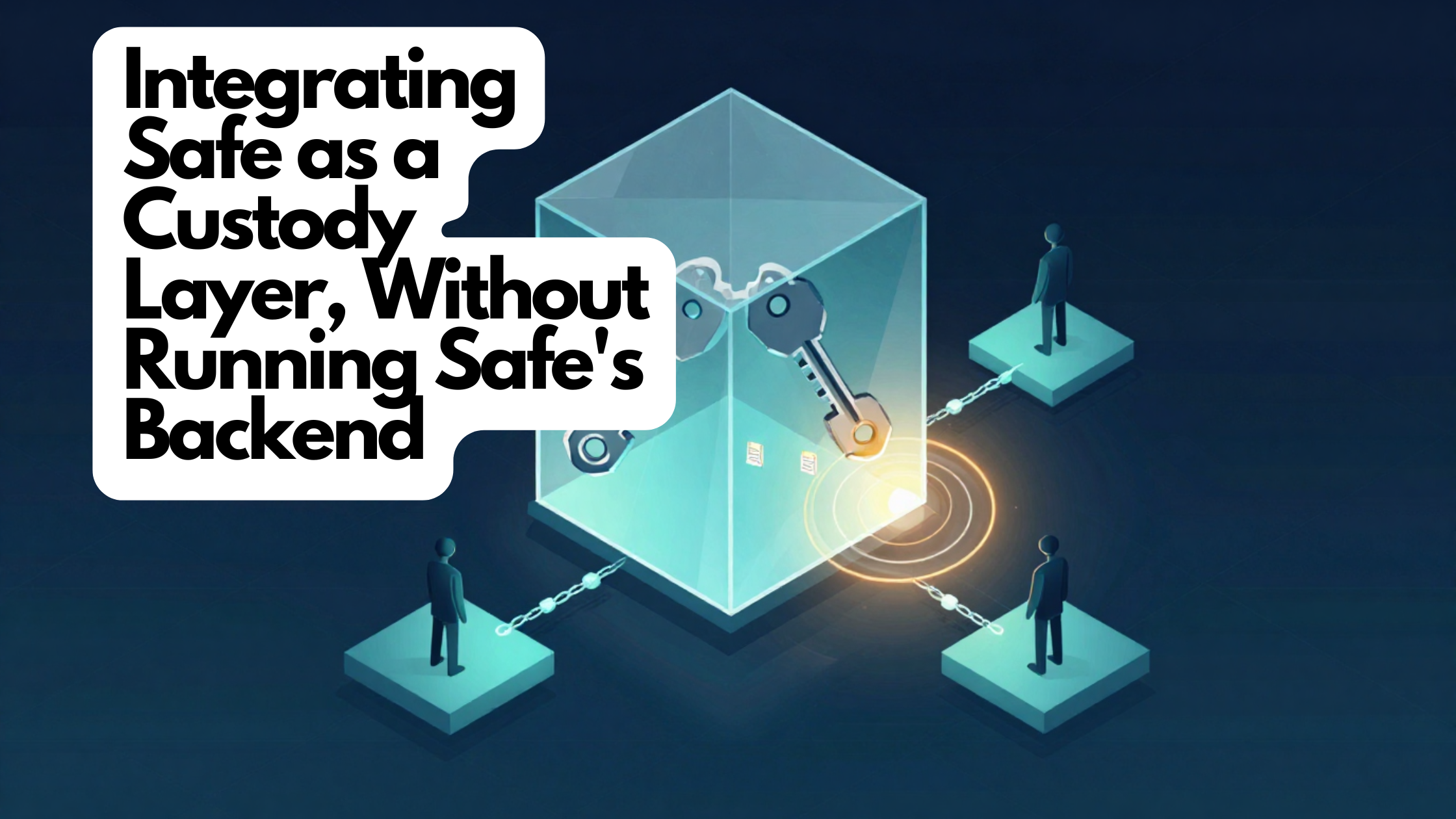
Shared Vaults Where No One Person Can Move the Money
Most shared-treasury tools quietly depend on a hosted server in the middle — it stores proposed transactions and collects everyone’s approvals, and if it disappears, coordination stops. FairWins has a…
· 7 min read -
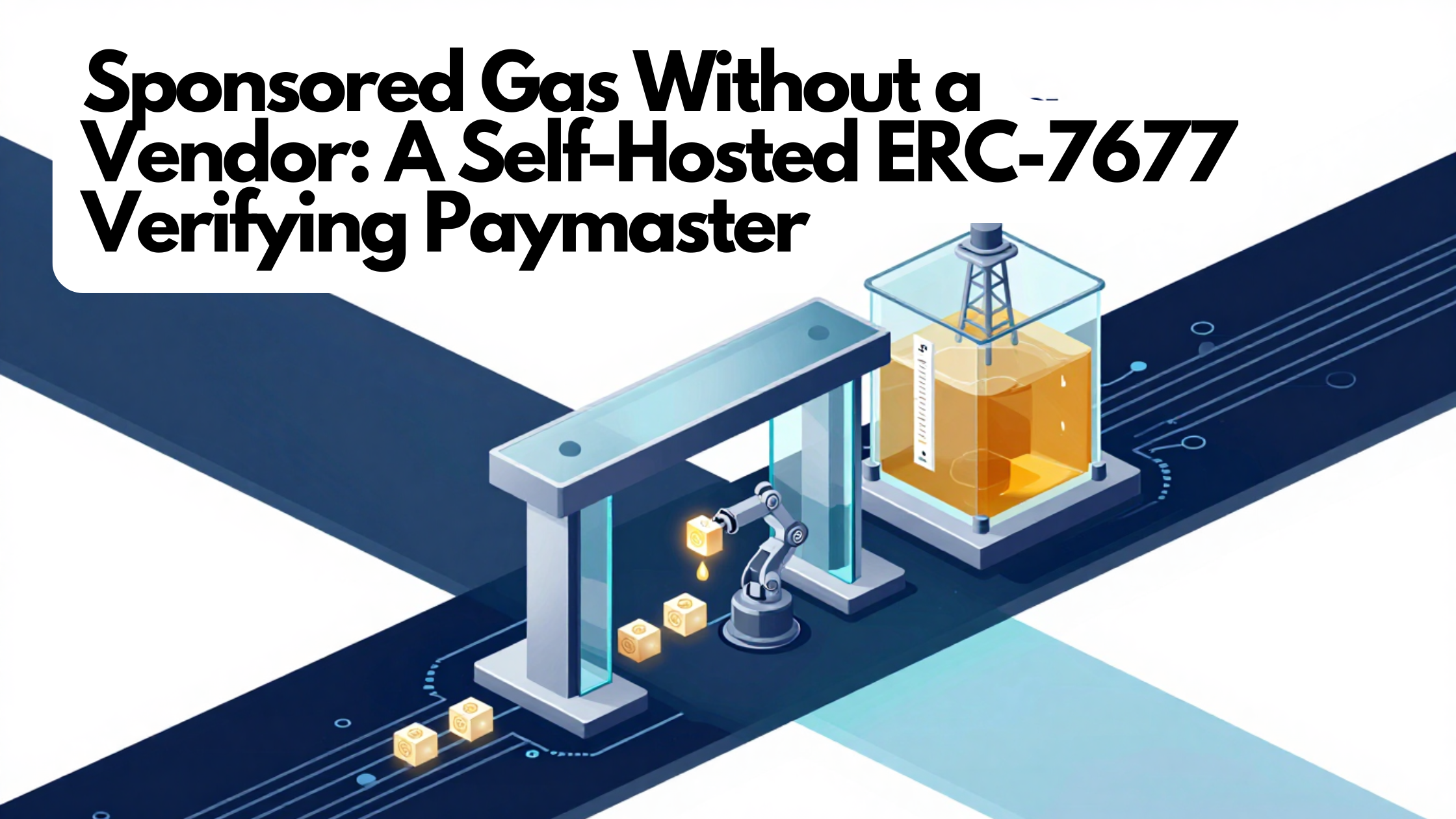
Sponsored Gas Without a Vendor: How “No Network Fee” Became True
Our passkey wallets had a broken promise: the confirm screen said “sponsored — no network fee,” but with nothing set up to cover it, a member holding only USDC couldn’t…
· 6 min read